Discover the purpose of the most important nutrients: vitamins, minerals, fatty acids, and medicinal plants. Complete guide from El Bosque Oriental herbalist, with over 40 years of experience.
Nutrient Guide: What Your Body Needs and Why
For over 40 years at El Bosque Oriental, we've been answering the same question in a thousand different ways: what is this for? It's a completely reasonable question. Before taking any supplement, it makes sense to understand what role that nutrient plays in your body and whether your diet is already providing it.
This guide covers the most important nutrients we handle in our herbal store: vitamins, minerals, fatty acids, medicinal plants, and other compounds. For each, you'll find an explanation of its function in the body and the main food sources where you can find it.
Vitamins
Vitamins are organic compounds that the body needs in small amounts to function properly. Most cannot be synthesized by the body itself, so they depend on diet or supplementation.
Vitamin C
What does your body need it for?
Vitamin C is one of the body's most potent antioxidants. It protects cells from oxidative damage and is essential for the synthesis of collagen, the structural protein that maintains the integrity of skin, bones, cartilage, and blood vessels. It also promotes the absorption of iron from plant sources and contributes to the normal functioning of the immune system.
One of its lesser-known properties is its role in reducing tiredness and fatigue, especially during periods of increased physical or emotional demand.
Where can I find Vitamin C in my diet?
- Citrus fruits (orange, lemon, grapefruit, kiwi)
- Red and green bell peppers
- Strawberries and raspberries
- Broccoli and Brussels sprouts
- Tomato
- Fresh parsley
At El Bosque Oriental, we combine vitamin C with royal jelly for periods of higher stress or seasonal changes. Check out our Apivit C with royal jelly and vitamin C 1000 mg.
Vitamin D3
What does your body need it for?
Vitamin D3 is actually a steroid hormone that the body produces when the skin is exposed to direct sunlight. Its most well-known function is to facilitate the absorption of calcium and phosphorus in the intestine, making it essential for bone and dental health. Without enough vitamin D, the calcium you consume in your diet simply isn't assimilated well.
Furthermore, vitamin D3 is an immune system modulator: it contributes to the response against infections and plays an increasingly studied role in muscle health, mood, and cardiovascular function.
Vitamin D deficiency is very common in Spain, paradoxically. Many people spend most of the day indoors, and sunscreens block skin synthesis. It is estimated that more than 40% of the Spanish population has insufficient levels.
Where can I find Vitamin D in my diet?
- Oily fish (salmon, mackerel, sardines, tuna)
- Eggs (especially the yolk)
- Fortified dairy products
- Mushrooms exposed to sunlight
- Cod liver oil
To ensure adequate intake, especially in autumn and winter, at El Bosque Oriental we recommend our Lamberts Vitamin D3 4000 IU, a well-studied dose for adults with insufficiency.
Vitamin B12
What does your body need it for?
Vitamin B12 is necessary for the formation of healthy red blood cells, the maintenance of the nervous system, and DNA synthesis. Its deficiency can lead to megaloblastic anemia, intense fatigue, tingling in hands and feet, and cognitive impairment.
People following strict vegetarian or vegan diets are especially vulnerable to B12 deficiency, as this vitamin is almost exclusively found in animal products. Deficiency is also common in people over 50, as absorption decreases with age.
Where can I find Vitamin B12 in my diet?
- Meat (especially liver and kidneys)
- Fish and shellfish (clams, mussels, salmon, tuna)
- Eggs
- Cheese and dairy products
- Fortified foods (plant-based drinks, nutritional yeast)
Folic Acid (Vitamin B9)
What does your body need it for?
Folic acid participates in DNA synthesis and cell division, making it a particularly critical nutrient during pregnancy. Folic acid supplementation before conception and during the first trimester significantly reduces the risk of neural tube defects in the baby.
Outside of pregnancy, folate contributes to normal blood formation, reduces tiredness and fatigue, and plays a role in cardiovascular health by regulating homocysteine levels in the blood.
Where can I find Folic Acid in my diet?
- Green leafy vegetables (spinach, lettuce, asparagus)
- Legumes (lentils, chickpeas, beans)
- Avocado
- Broccoli
- Orange and orange juice
- Fortified whole grains
You can find Solaray Folic Acid 800 mcg in our store, especially indicated for women of childbearing age.
Minerals
Minerals are inorganic elements that the body cannot produce. They are structural components (bones, teeth) and cofactors for hundreds of enzymes and physiological processes.
Magnesium
What does your body need it for?
Magnesium is a cofactor for over 300 enzymatic reactions in the body. It participates in energy production, protein synthesis, muscle contraction and relaxation, nerve function, and the maintenance of bone density.
Its influence on the nervous system makes it one of the most relevant minerals for managing stress, sleep quality, and reducing anxiety. Magnesium bisglycinate, in particular, is the form with the highest bioavailability and best digestive tolerance: it reaches the bloodstream more efficiently than magnesium oxide or carbonate, and does not produce the laxative effect that other forms have.
Magnesium deficiency is more common than it seems. Night cramps, difficulty falling asleep, irritability, and persistent fatigue are frequent signs that intake is insufficient.
Where can I find Magnesium in my diet?
- Pumpkin and sunflower seeds
- Nuts (almonds, cashews)
- Legumes (black beans, edamame)
- Whole grains
- Green leafy vegetables (spinach, Swiss chard)
- Dark chocolate (over 70%)
- Avocado
At El Bosque Oriental, we recommend Sura Vitasan Magnesium Bisglycinate as the option with the highest absorption and digestive tolerance, especially for people with sleep problems or high stress levels.
Zinc
What does your body need it for?
Zinc is involved in the functioning of the immune system, protein synthesis, wound healing, and cell division. It is also an essential component of over 300 enzymes. It plays a significant role in the health of skin, hair, and nails, and is fundamental for the senses of taste and smell.
Zinc deficiency can manifest as increased susceptibility to infections, hair loss, slow wound healing, and dry or problematic skin.
Where can I find Zinc in my diet?
- Oysters and seafood
- Red meat (beef, lamb)
- Pumpkin seeds
- Legumes
- Nuts
- Aged cheese
- Eggs
Iron
What does your body need it for?
Iron is essential for the formation of hemoglobin, the protein in red blood cells that transports oxygen throughout the body. Without enough iron, tissues do not receive the oxygen they need, leading to extreme tiredness, paleness, difficulty concentrating, and, in severe cases, iron deficiency anemia.
There are two types of iron in food: heme iron (found in meat and fish, with high absorption) and non-heme iron (found in vegetables, with lower absorption). Vitamin C significantly increases the absorption of non-heme iron, so consuming vitamin C-rich foods with plant-based iron sources improves utilization.
Where can I find Iron in my diet?
- Red meat and liver
- Clams and mussels
- Legumes (lentils, chickpeas)
- Tofu and tempeh
- Pumpkin seeds
- Spinach and Swiss chard
- Nuts (cashews, almonds)
Fatty Acids
Omega-3 (EPA and DHA)
What does your body need them for?
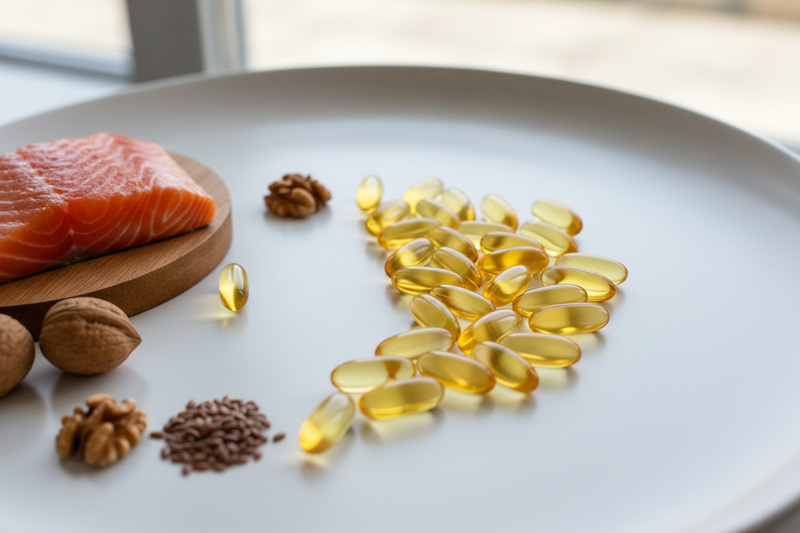
Omega-3 fatty acids are essential polyunsaturated fats, meaning the body cannot produce them and they must be obtained from diet or supplements. The two most relevant for human health are EPA (eicosapentaenoic acid) and DHA (docosahexaenoic acid), both derived from fish oil.
DHA is a key structural component of neuron membranes and the retina. Adequate intake is fundamental for normal brain function, vision, and neurological development. EPA, for its part, plays a prominent role in regulating inflammation and cardiovascular health: it helps maintain normal triglyceride levels in the blood and promotes normal heart function.
Omega-3 in triglyceride form, like the one we offer in our store, has up to 70% higher bioavailability than the ethyl ester form found in many low-end supplements.
Where can I find Omega-3 in my diet?
- Oily fish: salmon, mackerel, sardines, anchovies, herring
- Flax and chia seeds (plant source of ALA, an Omega-3 precursor)
- Walnuts
- Seaweed (direct plant source of DHA)
- Omega-3 enriched eggs
At El Bosque Oriental, we offer Omega-3 Tongil Estado Puro, with 1,200 mg of EPA and 800 mg of DHA in triglyceride form, the most absorbable on the market and with certified maximum purity.
Plants and extracts
Phytotherapy or herbalism is the foundation of our history. We have been working with medicinal plants with growing scientific evidence for over four decades. These are some of the ones we use most.
Ginkgo Biloba
What does your body need it for?
Ginkgo biloba is one of the most studied plant extracts in the world for brain health. It acts as a vasodilator and antioxidant: it improves cerebral blood circulation, which favors memory, concentration, and mental agility. Its role in preventing age-related cognitive decline is also being studied.
Additionally, ginkgo has antiplatelet properties that contribute to peripheral circulation, making it useful for people with cold extremities or leg heaviness.
Where can I find it naturally?
Ginkgo biloba is not present as a food in the Western diet. The only way to obtain an effective therapeutic dose is through a standardized extract.
You can see our selection of Lamberts Ginkgo biloba 6000 mg in the store.
Turmeric
What does your body need it for?
Turmeric contains curcumin, one of the most powerful natural anti-inflammatories known. It inhibits various inflammatory pathways at the cellular level, making it a highly valued support for joints, digestive health, and immune response.
Curcumin absorption is low on its own; therefore, the best supplements combine it with piperine (black pepper extract), which increases its bioavailability by up to 2000%.
Where can I find turmeric in my diet?
- Fresh turmeric root (in herbal stores and specialty shops)
- Turmeric powder (spice)
- Curry (spice blend that includes turmeric)
- Golden milk
At El Bosque Oriental, you'll find Curarti Forte with turmeric, collagen, and vitamin C from Plameca, a specific formula for joints that combines turmeric with collagen and vitamin C.
Ginger
What does your body need it for?
Ginger (Zingiber officinale) has well-documented anti-inflammatory, antiemetic, and digestive properties. Its active components, gingerols and shogaols, modulate inflammation and alleviate nausea, both digestive and those associated with pregnancy or travel.
It is also traditionally used to support digestion, stimulate gastric motility, and relieve gas and feelings of heaviness after meals.
Where can I find ginger in my diet?
- Fresh ginger root (in tea, juices, or cooked)
- Ginger powder (spice)
- Pickled ginger (typical in Japanese cuisine)
- Ginger beer or artisanal ginger ale
The Lamberts ginger extract provides a concentrated and standardized dose, ideal when a more pronounced anti-inflammatory or digestive effect is sought than what regular culinary consumption provides.
Milk Thistle
What does your body need it for?
Milk thistle (Silybum marianum) is the hepatoprotective plant par excellence. Its active ingredient, silymarin, protects liver cells from oxidative damage and promotes their regeneration. It is especially useful for supporting liver function in people who take prolonged medication, frequently consume alcohol, or follow very fatty diets.
It also has anti-inflammatory properties and can contribute to the normalization of blood glucose levels.
Where can I find it naturally?
Milk thistle is not commonly consumed as food. The therapeutic concentration of silymarin is only achieved with standardized extract.
Check out our Health Aid Milk Thistle Silymarin in the store.
Other essential compounds
Collagen
What does your body need it for?
Collagen is the most abundant protein in the human body. It forms the structure of skin, tendons, ligaments, cartilage, and bones. From the age of 25-30, natural collagen production progressively decreases, contributing to the appearance of wrinkles, loss of skin elasticity, and joint deterioration.
Supplementation with hydrolyzed collagen provides the amino acids (glycine, proline, hydroxyproline) that the body uses as a substrate to synthesize new collagen. For this synthesis to occur correctly, vitamin C must be present, as it acts as an essential cofactor.
Where can I find collagen in my diet?
- Bone broth (homemade or commercial)
- Natural gelatin
- Chicken or pork skin
- Fish with skin
Our Marnys Artrohelp Forte combines collagen with other specific nutrients for joint health in convenient drinkable vials.
Glucosamine, Chondroitin, and MSM
Why does your body need them?
These three compounds act synergistically on articular cartilage:
- Glucosamine: is an amino sugar that the body uses to produce and repair cartilage. Its production decreases with age, contributing to progressive joint wear.
- Chondroitin: is a glycosaminoglycan that provides elasticity to cartilage and retains water in joint tissue, acting as a natural shock absorber.
- MSM (methylsulfonylmethane): is an organic source of sulfur, essential for collagen synthesis and with its own anti-inflammatory properties.
The combination of these three, along with type II collagen and bioperine, offers complete joint support, especially useful from age 40 or for people with highly demanding active lifestyles.
Where can I find them in my diet?
Glucosamine and chondroitin are naturally found in animal tissues (cartilage, tendons, skin), but in quantities very difficult to obtain through a regular diet. MSM is present in small amounts in fruits, vegetables, and cereals.
Coenzyme Q10 (Ubiquinol)
Why does your body need it?
Coenzyme Q10 is a molecule present in almost all cells of the body, especially concentrated in tissues with higher energy demands: heart, liver, and kidneys. Its main function is to participate in the mitochondrial respiratory chain, the process by which cells produce energy (ATP).
It also acts as a powerful antioxidant, protecting cell membranes from oxidative damage. Q10 levels naturally decrease with age and can be significantly reduced by statin use (cholesterol-lowering medications).
Ubiquinol is the active, reduced form of Q10, with much higher bioavailability than the oxidized form (ubiquinone), making it especially recommended for people over 40.
Where can I find Coenzyme Q10 in my diet?
- Organ meats (heart, liver)
- Beef and pork
- Sardines and mackerel
- Peanuts and pistachios
- Spinach and broccoli
We offer Pharma Nord's Q10 Ubiquinol, one of the world's leading brands in Coenzyme Q10 research.
Probiotics
Why does your body need them?
Probiotics are living microorganisms (mainly bacteria of the Lactobacillus and Bifidobacterium genera) that, when administered in adequate amounts, provide a health benefit to the host. They colonize the intestine and contribute to the balance of the gut microbiota, the ecosystem of trillions of microorganisms living in our digestive tract.
A balanced microbiota is essential for proper digestion, the synthesis of certain vitamins (such as K2 and some B-group vitamins), the regulation of the immune system, and increasingly, studies link it to mental health through the gut-brain axis.
Situations that most unbalance the microbiota include antibiotic treatments, prolonged stress, diets rich in ultra-processed foods, and sudden dietary changes.
Where can I find probiotics in my diet?
- Natural yogurt (with live active cultures)
- Milk or water kefir
- Sauerkraut and kimchi
- Kombucha
- Miso and tempeh
- Fermented pickles (without vinegar)
For situations requiring a high concentration of multi-strain bacteria, we have Biome Balance Multi-strain Probiotics 25 billion CFU in our store.
N-Acetylcysteine (NAC)
Why does your body need it?
N-Acetylcysteine (NAC) is a precursor to glutathione, the most powerful antioxidant produced by the body itself. Glutathione protects liver, lung, and brain cells from oxidative damage and is essential for the liver's detoxification processes.
NAC also has mucolytic properties (it thins bronchial secretions), making it useful in respiratory conditions with thick mucus. In recent years, scientific interest in this molecule has grown enormously, with studies exploring its role in neurological health and glutamate regulation.
Where can I find NAC or its precursor in my diet?
NAC is not found directly in foods. However, cysteine (its precursor) is present in:
- Eggs
- Chicken and turkey
- Garlic and onion
- Broccoli and Brussels sprouts
- Legumes
Lamberts NAC 300 mg is a highly-rated option to support liver function and respiratory health.
Unsure which supplement you need?
At El Bosque Oriental, we have been advising people in Fuengirola and throughout the Costa del Sol on natural health for over 40 years. If you don't know where to start, we are here to help you find what you truly need, without selling you anything you don't.
You can visit us at our herbalist shop in Fuengirola, call us at 952 584 736, or place your order online with free shipping on orders over €30.
This article is for informational and educational purposes. It does not replace medical advice or diagnosis from a healthcare professional.